Design System #1 - An Elevated Experience
Join, Pre-Construction, SAAS B2B
Background
Join had an early-stage system our team built on strong foundations: cross-team buy-in, tokens, and a Figma component library developed hand-in-hand with engineering.
I helped build out initial components and define early patterns while embedded in the Project Comparisons work. As the organization grew, I focused on keeping the system consistent and well-maintained across an expanding set of teams and projects.
Scope
Ground up to Ship
Documentation + MDX Storybook
2022-2026 - DS Team
Eng: Mark Deutsch, Jeff Heuton, Kevin Rakestraw, Kristina Uko
Ari Zilnik, Design Lead
Join’s Challenge
As Join's product grew, the absence of a unified design system was starting to show: inconsistencies that made the product feel fragmented rather than cohesive.
The Results & Client Impact
The design system did more than create consistency.
It aligned teams around shared guidelines.
Gave the product a polished, professional feel clients could confidently present.
Established the kind of trustworthy foundation Join needed to grow into larger enterprise relationships.
Set us up for speed when AI tooling + prototyping became industry-standard.
The Work
We aligned with engineering in weekly meetings to establish goals and next tasks. Design collaborated heavily with engineering to ensure a seamless 1:1 documentation. The design team adopted a peer editing system that ensured pixel perfection on components.
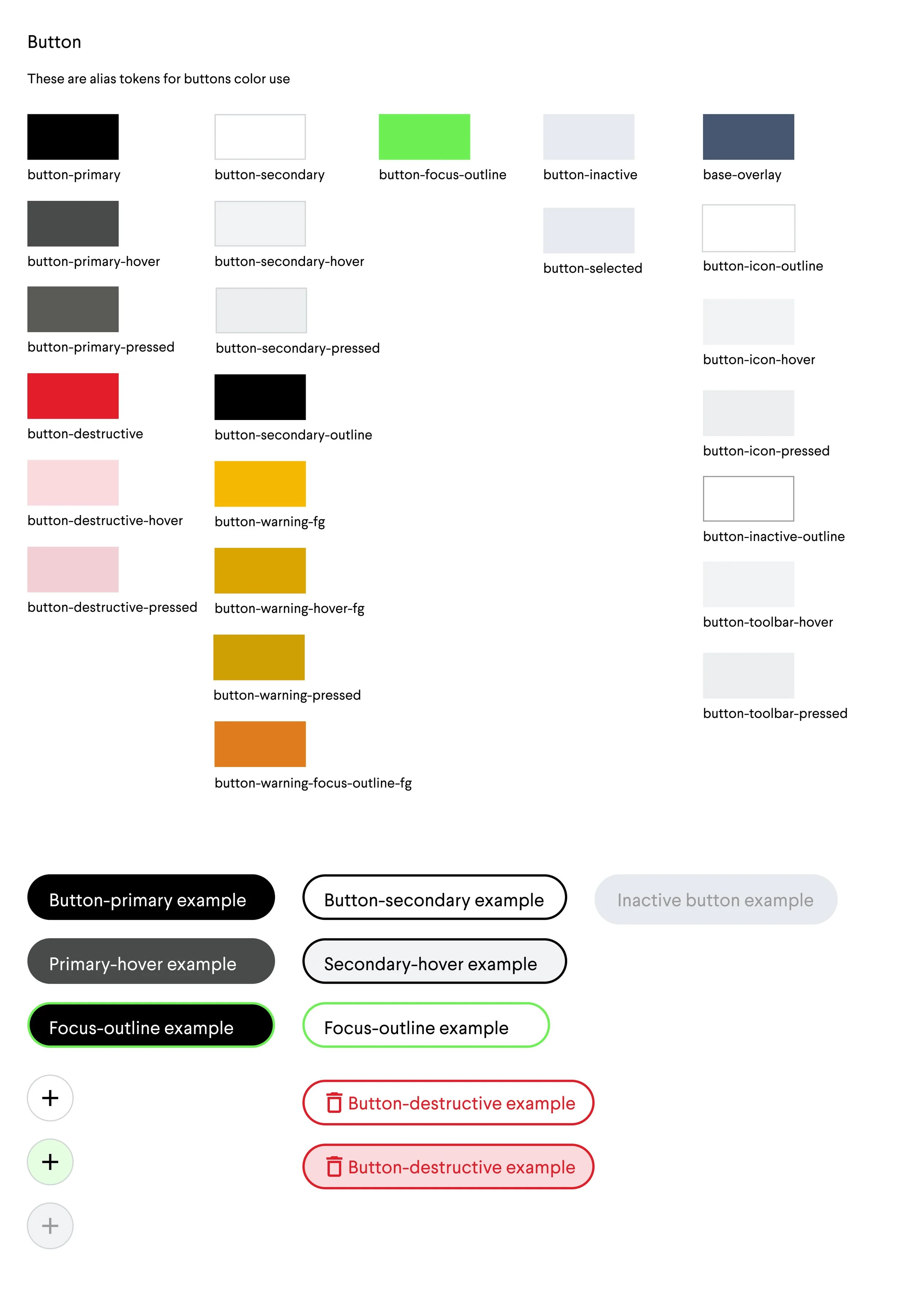
By aligning Figma tokens with engineering naming conventions from the start, we gave the team a shared language that made app-wide stylistic changes faster and less error-prone.
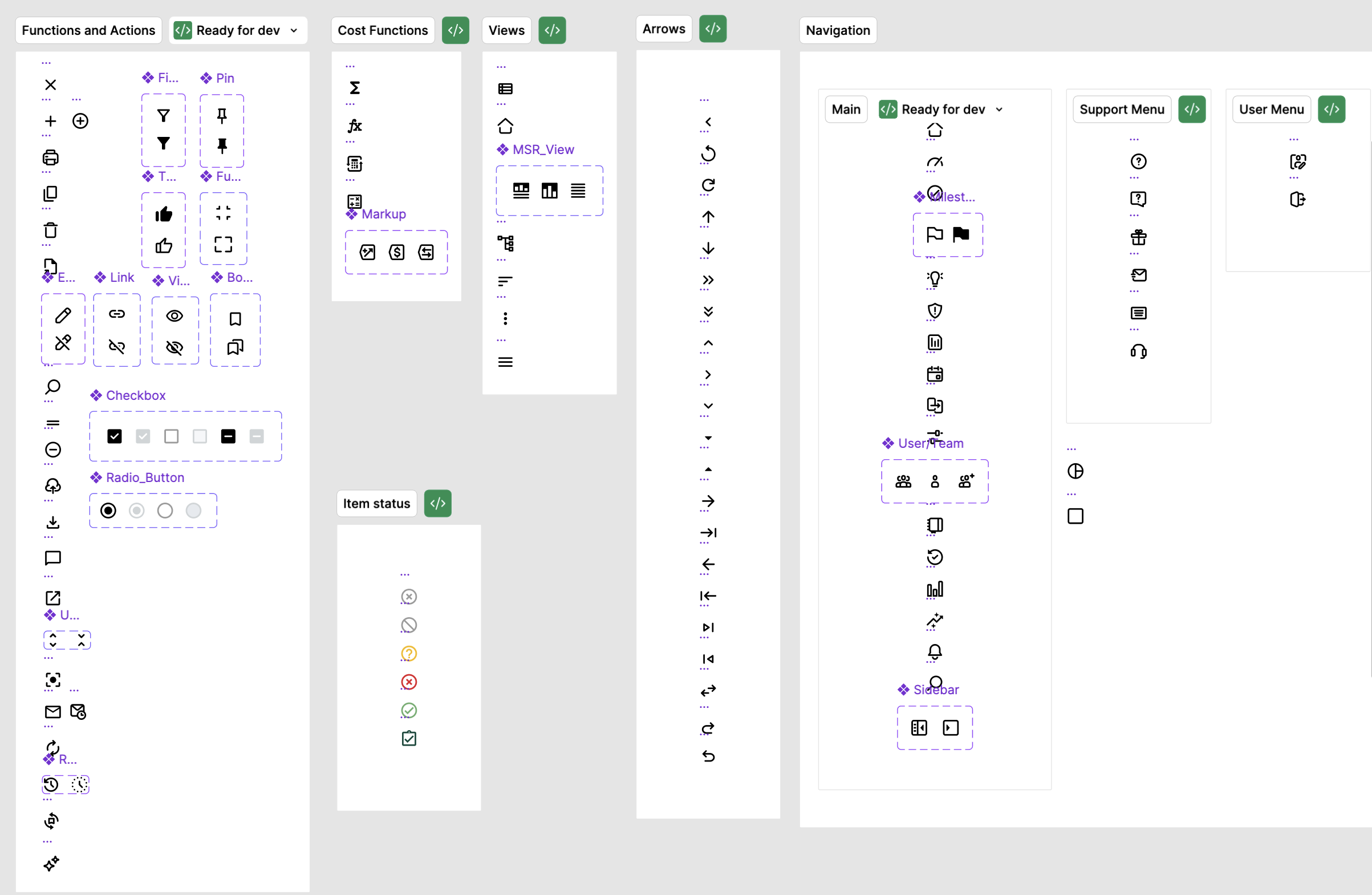
Icon work went beyond filling gaps, collaborating 1:1 with our illustrator, we defined the foundational rules: stroke weight, padding, and rounded corners, ensuring every icon felt like it belonged to the same system.
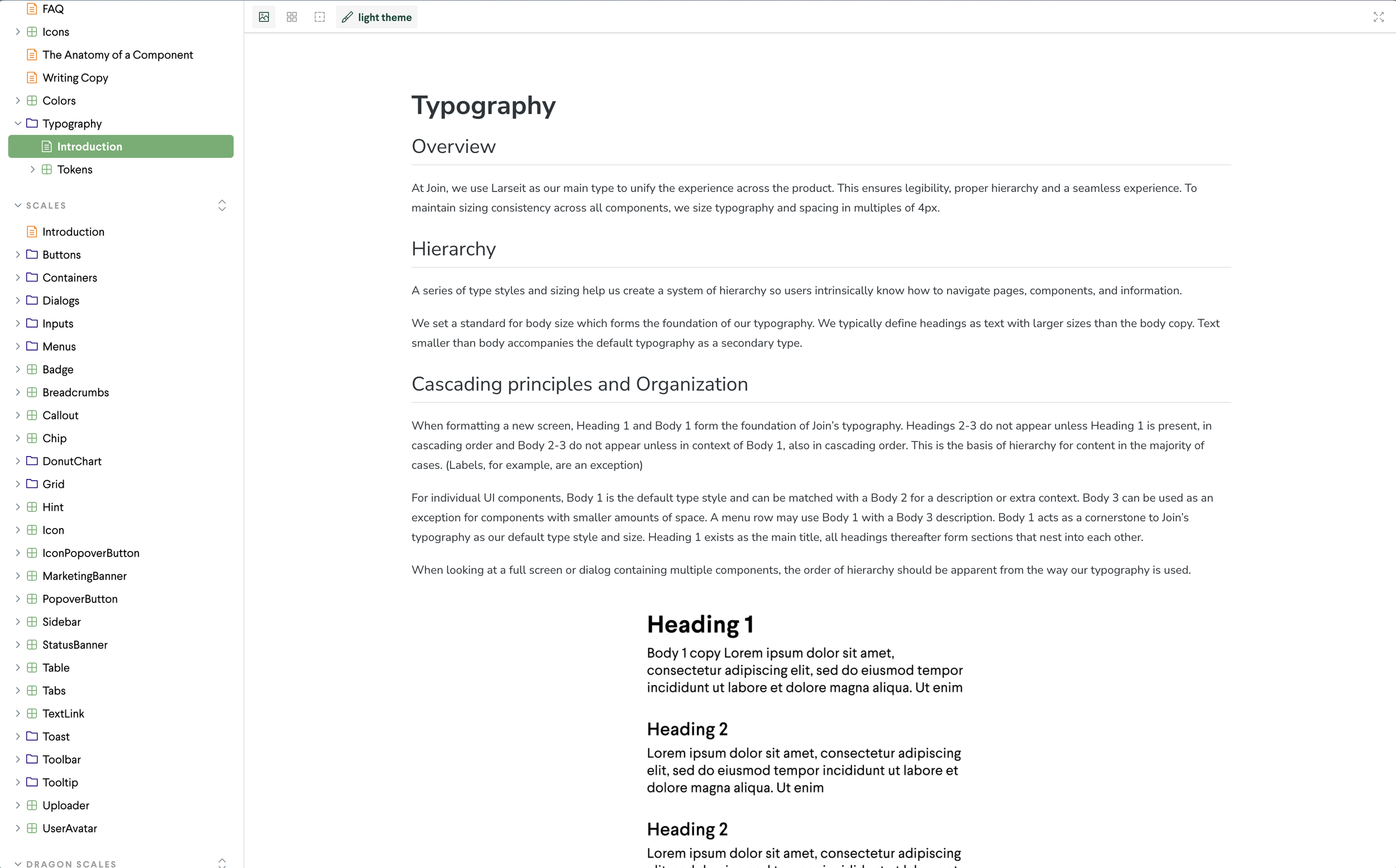
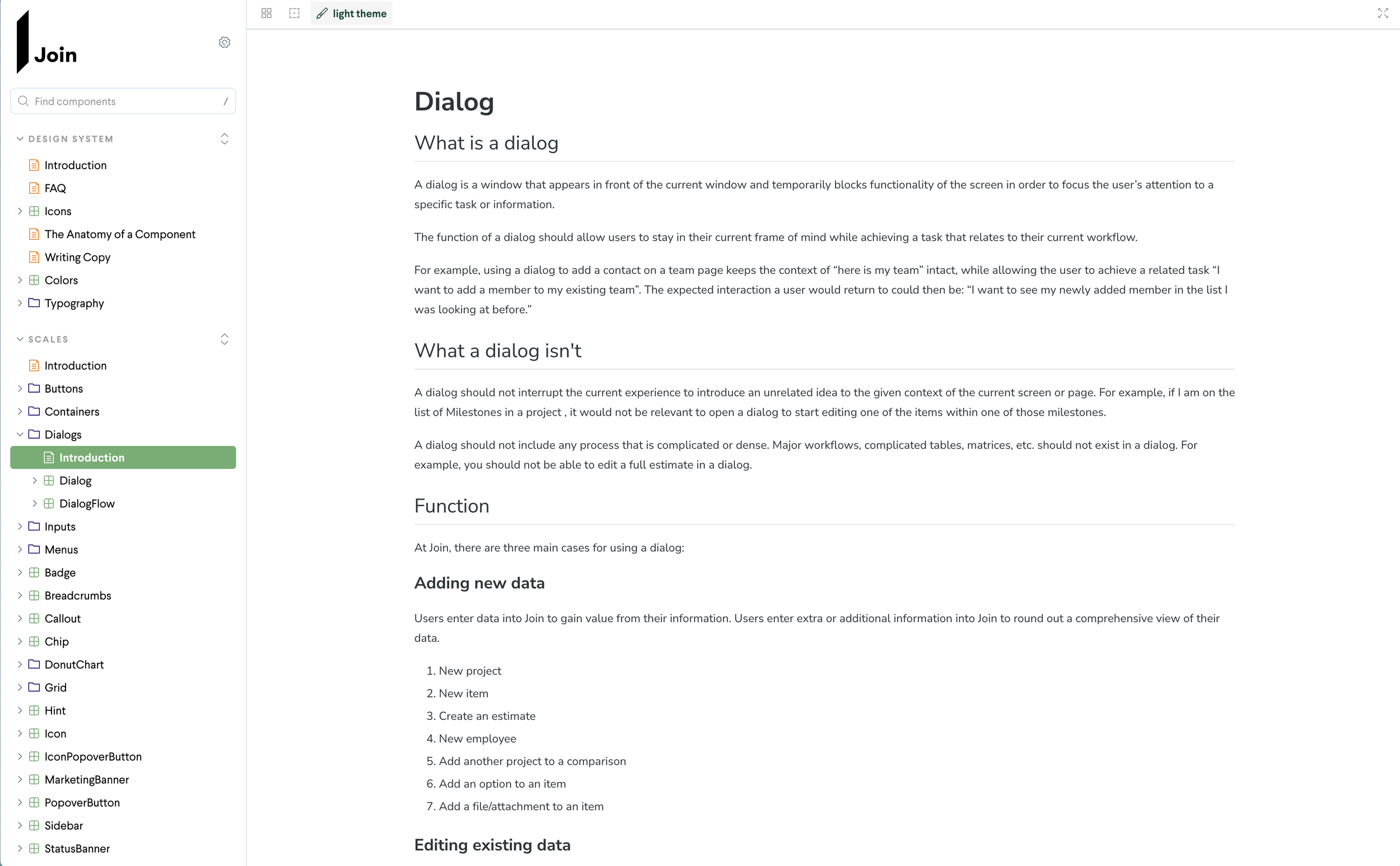
Documentation written by designers meant engineers had clear guidance at the component level, not just designers. A single source of truth removed the second-guessing that slows teams down.
Final Reflections
The design system at Join succeeded because product and engineering were genuinely aligned. Frequent, consistent collaboration built enough trust to surface issues early and pivot without friction. The work was a collective effort in the truest sense.
If I were to identify room for improvement, it would be visibility and education beyond the immediate team. As a fully remote organization, work naturally siloed at times. When new projects were introduced, the design system wasn't always factored into the process from the start. Better org-wide awareness would have caught those gaps earlier.