Design System #2: Unifying Brand & Product Visuals
Blue Shield of CA, B2C, Mobile & Web
Background
Blue Shield is as much a brand as it is a product and the design system had to serve both. We collaborated across Product and Marketing to build components flexible enough to support dark mode and evolve with future stylistic needs.
Scope
Ground up to Ship
Technological Transition/Migration
Documentation
2021 - 2022 - DS Team
Brandon Dillon, Design Lead
Bradley Kenyon, Eng
Blue Shield of CA’s Challenge
It was two-fold: a Figma migration and unifying Blue Shield's marketing and product visuals as a seamless experience.
The Results & External Facing Impact
A unified front:Marketing and Product working from the same system, a cohesive experience across product and advertising, and a foundation built to evolve without friction.
The Work
Unlike many systems efforts, this one had the right conditions from the start: a full-time Visual Design team, buy-in from leadership, and committed engineering support. That alignment let us move through component work efficiently and with confidence.
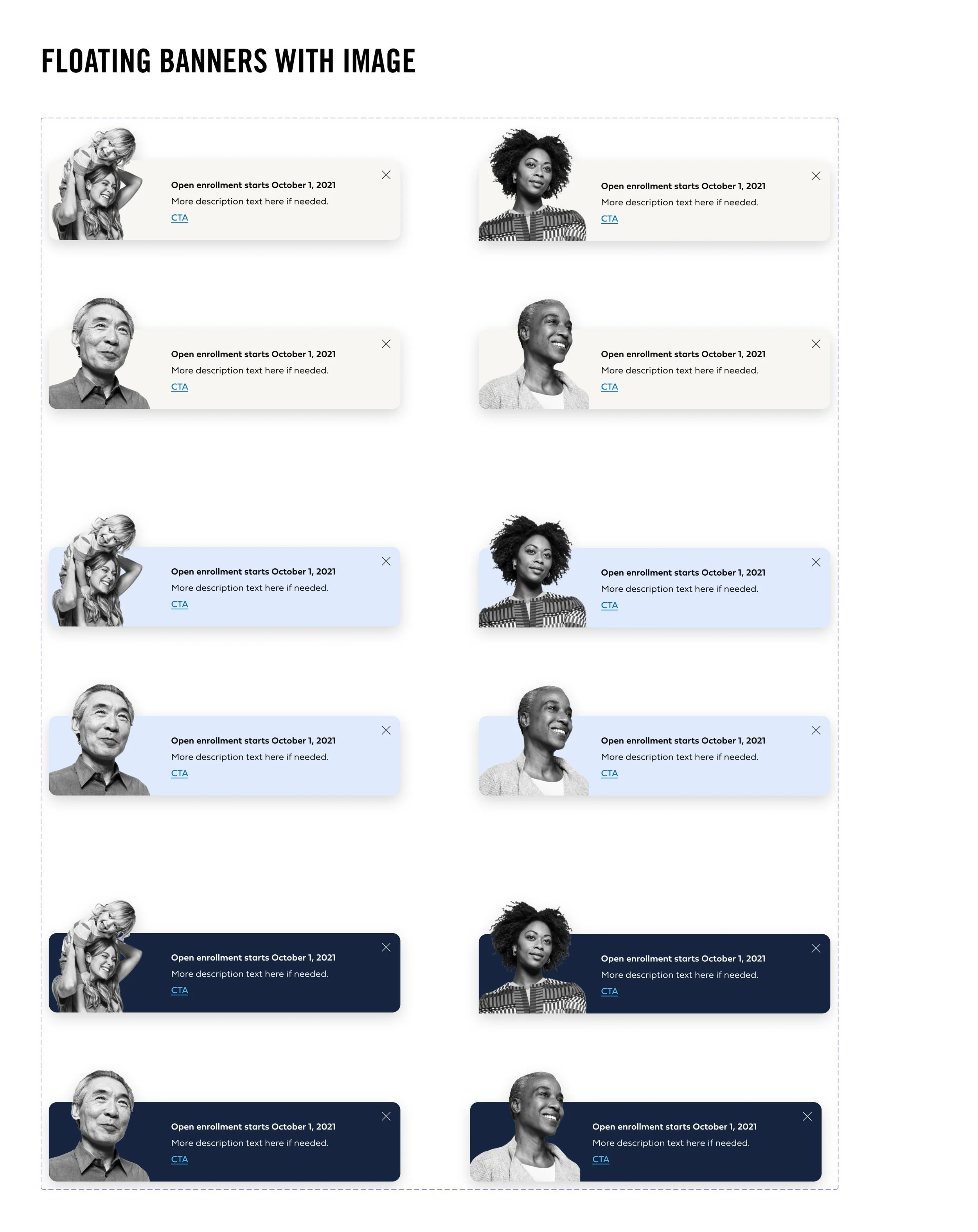
Floating banners: a component built to the design system while honoring marketing standards. All components were built not just for web breakpoints, but for iOS and Android.
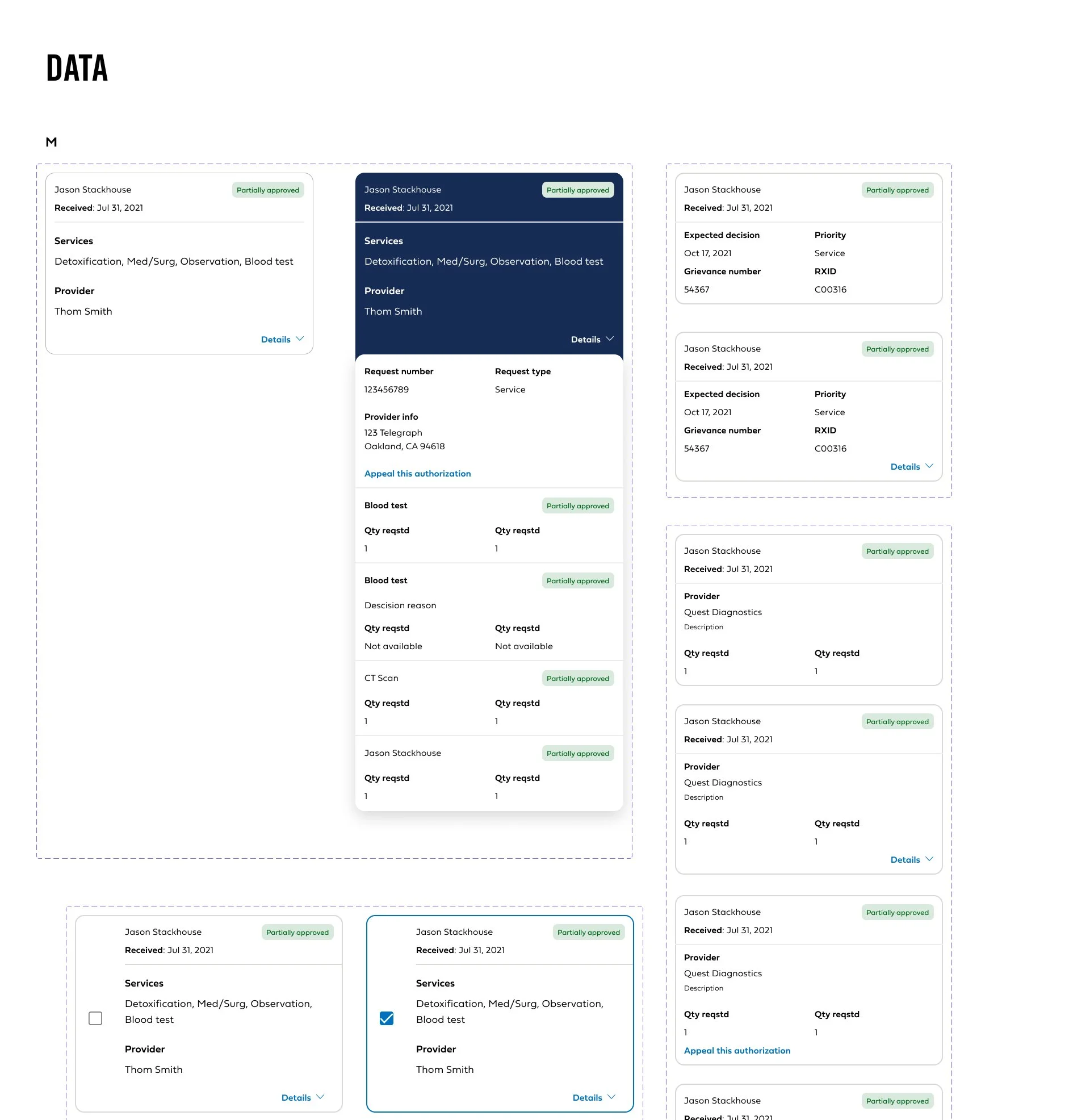
The approach was deliberate: start with the highest-frequency components and build them out completely: every active and inactive state. Complex components like data cards had an outsized effect, removing the pixel inconsistencies that quietly erode visual polish.
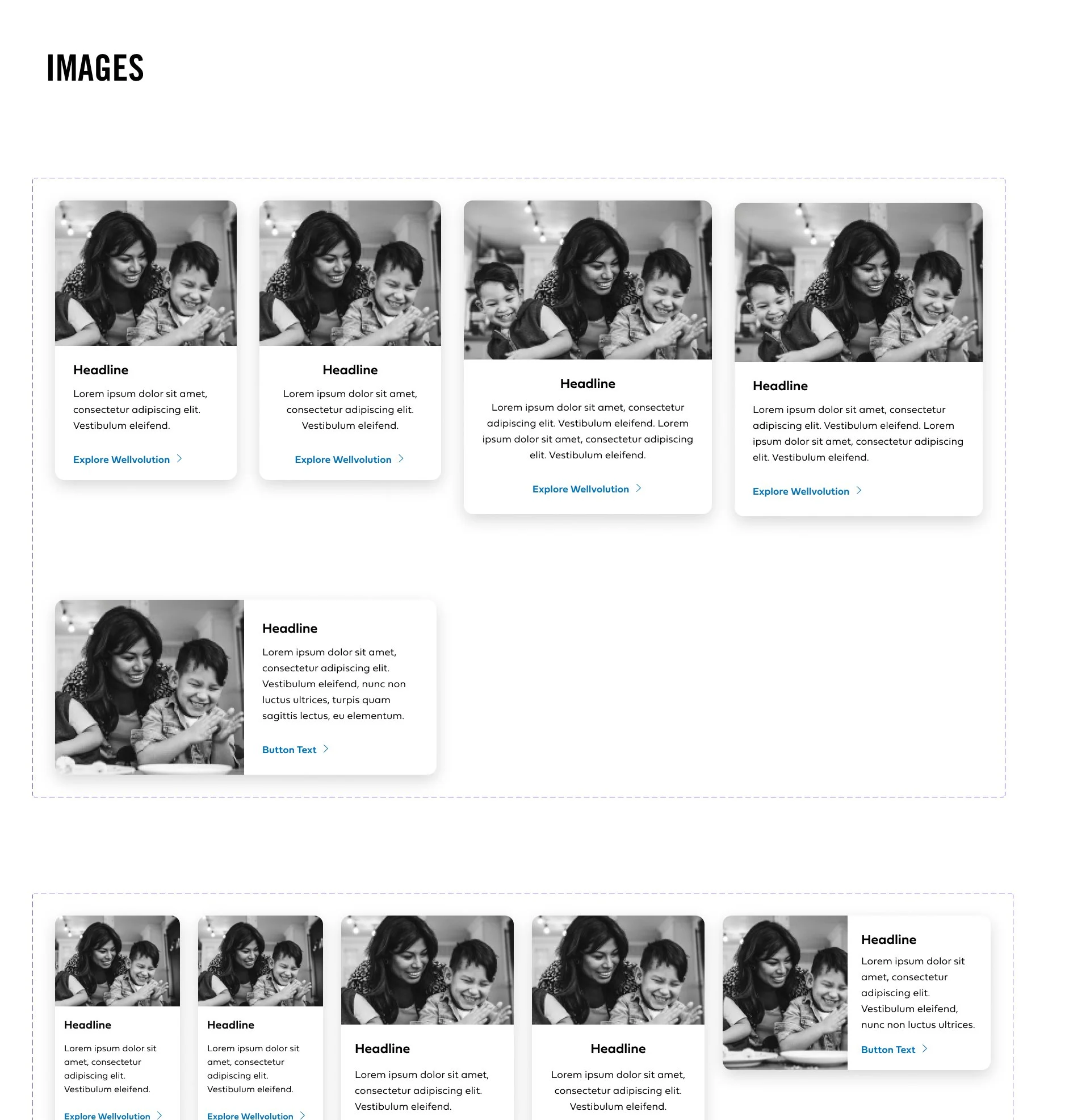
Desktop and mobile aren't the same problem, but the system needed to feel unified across both. Building platform-specific components let us address each modality without sacrificing visual consistency.
Final Reflections
Having dedicated full-time visual designers on the team made a real difference. It allowed us to commit fully to the polish and intentionality a well-built system requires. Looping in UX designers and writers as testers and feedback providers amplified the output significantly.
If I could improve one thing, it would be designer involvement in written documentation. We had begun publishing in Storybook, but documentation was largely left to engineers. Getting designers more invested in that layer, and making it easily accessible company-wide, was a lesson I carried directly into my work at Join.